The main idea behind โOne Nation, One Electionโ (ONOE) is to hold elections for both the Lok Sabha and state assemblies together every five years. Reports present that states often have 5 to 7 elections separately throughout the year, leading to disruptions in the development and governance processes. The group supporting this principle states that frequent elections create a disturbed legislative schedule which further affects the smooth functioning of parliamentary proceedings. However, the authors advocateagainst the idea of ONOE. The ONOE reform could result in an intensified and overwhelming campaign season, overshadowing critical regional issues amidst the far-reaching national concerns. The potential sidelining of regional voices and local concerns in comparison with the mainstream national discourse will adversely impact voter engagement and representation.
Uniform Civil Code: Delayed but still Necessary
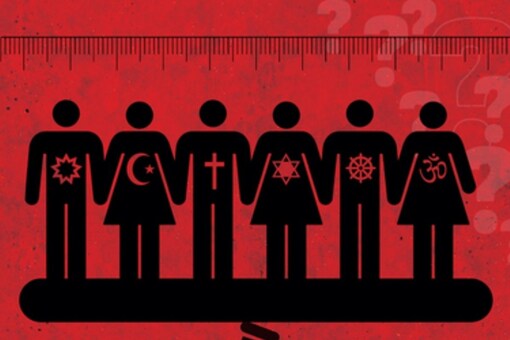
The discourse over the Uniform Civil Code (hereinafter UCC) was rekindled post its inclusion in the manifesto of BJP for 2019, andhas intensified as we near the 2024 elections. The long-awaited dream of realizing the UCC seems to be in touching distance now, which was once subjected to much clamor and contestation in the Constituent Assembly (CA). The judicial and political environment is more favorable presently than ever before. The article is written with the twin motive to explain why the UCC has remained unenforced for so long; and the need for enforcing it today, while looking at the contemporary successful examples of UCC
The Best of No Worlds: The Digital Personal Data Protection Act 2023
Before the commencement of the Digital Personal Data Protection Act, 2023, data protection was a concern of a patchwork of other laws including the Information Technology Act. The entire point of introducing a singular separate organic body of law regarding data protection was to reduce the unconsented digital footprint remaining after a person goes offline so as to protect that data from all hands, regardless of the owner of the hands and their purpose. Not only does the Act provide no provision for the automatic deletion of personal data, but it also detaches the state from any such obligation as well.
Unconstitutionality of RCR: An Opportunity to Democratize ‘Marriage’
The author examines the constitutionality of the Restitution of Conjugal Rights and the Stateโs intrusion into private familial spheres. Beyond gender discrimination, RCRโs conception of marriage perpetuates inequality. It advocates for a reevaluation of this interpretation, not to negate expectations of intimacy within marriage but to challenge the legal enforcement of sexual relations as a conjugal right. The ongoing plea against the constitutionality of RCR offers an opportunity for the judiciary to redefine conjugal rights and reshape the institution of marriage.
Challenges and Prospects of Transgender Reservation: A Call for a Universal Approach
The article aims to address the issue of Transgender reservation. The Indian Constitution mandates affirmative measures for safeguarding the interests of vulnerable communities and preventing exploitation. Nevertheless, the author is of the opinion that legislative efforts regarding reservations for the transgender community have been fragmented and incoherent. The author suggests that it is now imperative to grant horizontal reservations for the transgender community. Furthermore, the author stresses the requirement for distinct reservations due to the unique challenges faced by the transgender community, advocating for horizontal reservation, that is flexible and self-adjusting. Finally, the article calls for acknowledging and upholding the legitimate claims of the transgender community to foster a fairer and more equitable society.