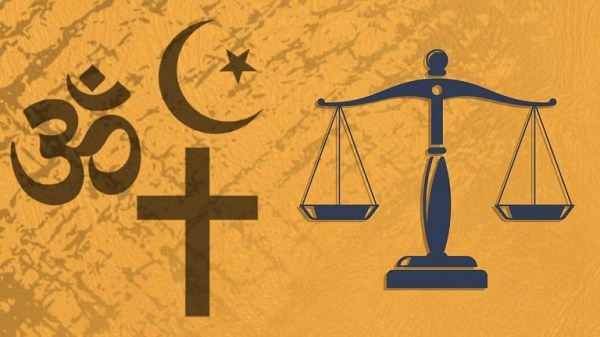
The author asserts that the law of Blasphemy is essentially a bad law and has no place in today's world in light of legitimization of mob violence, infringement upon freedom of free speech and expression and the discourse about protecting religion. It is concluded that blasphemy laws need a serious relook in the modern era.
Constitutional Dialogue as a Solution to Excessive Judicial Intervention
The author in this article recognizes that quasi-legislative and quasi-executive functions of the Judiciary affect the separation of powers doctrine and therefore, proposes that Indian courts retrench their PIL jurisdiction by channeling public attention to the most outrageous failings of the executive and leaving the process of law-making to the legislature, drawing from the theories of constitutional dialogue.
Global Administrative Tribunal – A Dream too Good to be True?
The author, in this piece, makes a case for having a tribunal in the global arena that deals with administrative law disputes across the world. The article explores the challenges and feasibility of having such a tribunal in light of the differences between administrative laws in various countries, issues of accountability, regulations, enforcement, etc.
Freeing the Caged Parrot
The CBI, as the premier investigating agency of India, has time and again acted in a manner that has prompted various authorities to question its legitimacy, credibility, reliability and impartiality. This article explores instances in its functioning that imply towards such displeasure against it and also discusses the debate behind its constitutional status.
Demonetization Verdict and its Deep Overtones: It’s the time to Prioritize?
The authors, in this article, discuss the Supreme Court's growing backlog of cases. Through the example of the demonetization verdict, the authors highlight the need for prioritizing substantial legal and constitutional matters. They have also discussed recent reforms made to the case listing system and the need for broad-based reforms to address the issue of backlog.
Progressive Constitutions
The author in the piece argues that progressive constitutions should keep pace with societal changes, avoid abuse, and ensure citizen participation. The discussion is in light of the recent events in Chile and India show erosion of constitutional principles, compromising democratic institutions and principles of federalism.
Critiquing The Existing Literature By Analyzing The ‘Surname’ Debate
The author in this article highlights the Hon'ble Apex Court's interpretation of the Hindu Minority and Guardianship Act, 1956 and the Hindu Adoption and Maintenance Act, 1956, with regard to the biological mother’s right to decide the child's surname. The article also addresses the question of whose surname will prevail in light of a judgment of Italian Constitutional Court and critiques existing pieces on the Akella verdict.
Essential Religious Practice Test: A Tale Of Interventionist Judiciary, Inversion Of Agency And Invisiblisation Of Freedom Of Religion
The author in this piece criticizes the present judicial approach to determine whether a practice is essential to the religion or not. Ramifications of Essential Religious Practice Test have been discussed in an elaborate manner. The author suggests that religious practices should be tested against constitutional morality instead of substantive aspects of religion.
On Preventive Detention and the Need for a Compensatory Framework in Constitutional Tort Cases.
The author in the article comments on a recent judgement of the Madras High Court (Sunitha v. Additional Chief Secretary) which has highlighted the callousness with which the state misuses preventive detention provisions in the law. Further, the article analyses the compensatory jurisprudence of the Court in constitutional tort cases and the need to develop a legislative framework for the same.
Reform, That You May Preserve
The author in this piece discusses the ongoing conflict over the method of judicial appointments in India. He critiques judicial primacy in judicial appointments in light of the dissent of Justice Chelameswar in the NJAC case. The author suggested a new model based on the United Kingdom's model for appointing judges in India.
The Standard of Judicial Review in Religious Rights Adjudication
The author in this article discussed the interpretation of the Essential Religious Practices Test over the years. He highlights the need to do away with the Essential Religious Practices Test. The author has also proposed an alternative approach to view the essentiality of a religious practice.
On the Qualms of Secularism and Equality
In this article, the authors examine and critique the judgment of Hemant Gupta J. and his reasoning in the case of Aishat Shifa v. State of Karnataka. The piece also suggests that religious freedom and equality needs to be accompanied by a focus on reasonable accommodation.