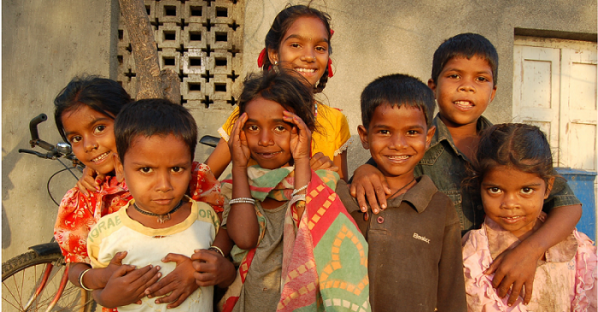
The article explores how children in India are often subjected to religious coercion—both at home and in educational settings—under the guise of cultural or parental authority. Through constitutional provisions, case law, and international conventions like the UNCRC, the piece argues for a more robust legal and policy framework to uphold children's rights to autonomy, dignity, and cognitive development. It delves into issues such as Bal Diksha, the quality of education in religious institutions like madrasas and gurukuls, and the urgent need for the State to fulfil its parens patriae role. The piece also makes forward-looking recommendations to ensure that religious freedom does not come at the cost of children’s welfare.
Lost in Translation: The Constitutional Case Against Hindi Imposition
In recent years, the Union Government’s push for Hindi in governance and education, particularly through the National Education Policy, has triggered constitutional concerns. Though framed as promoting multilingualism, the policy's implementation effectively coerces non-Hindi speakers, especially in Tamil Nadu, into linguistic assimilation. This article argues that such imposition violates fundamental rights and fails the proportionality test outlined in Puttaswamy, undermining India’s federal structure and commitment to linguistic diversity.
Balancing between Tolerance and Reform: A Comparative Analysis of Freedom of Religion in India and the USA
This article attempts to understand the differences between the concept of religious freedom in India and the United States. It seeks to locate these differences in the context of the nature of religion in the two countries and its relationship with society. Moreover, it highlights the changing social realities which necessitate a review of the secularism in these countries.
Adolescent Relationships and the Indian Legal Framework: Urgent Need for Reform
The Indian legal framework governing adolescent relationships presents a fundamental conflict between child protection and individual autonomy. The Protection of Children from Sexual Offences Act (POCSO), 2012, and Section 375 of the Indian Penal Code (IPC), 1860, criminalize all sexual activities involving minors under 18, disregarding adolescent agency and the evolving understanding of consent. This rigid approach undermines constitutional rights, particularly the right to privacy under Article 21 and the right to equality under Article 14. Judicial interventions have attempted to mitigate the law’s harsh consequences by distinguishing between exploitative and consensual relationships, yet legislative inconsistencies persist. Comparative legal analyses reveal that several countries incorporate close-in-age exemptions and focus on restorative justice rather than strict penalization. Indian law must align with these global best practices by recognizing adolescent psychological development and implementing legal reforms that differentiate between exploitation and mutual consent. This article advocates for statutory amendments that introduce close-in-age exemptions, promote non-punitive interventions, and ensure gender-neutrality in legal provisions. A nuanced and balanced legal framework will protect minors from harm while upholding their dignity and autonomy, thereby fostering a more just and equitable legal system.
In conversation with Shristi Borthakur
In this interview conducted by CLS, we talk to Shristi Borthakur. As an advocate practicing in the Delhi High Court, her role in high-profile constitutional cases and her contributions to shaping significant legal principles have greatly influenced both the legal profession and public policy in India. She has particularly been involved in a few landmark cases, such as Dr Sarbesh Bhattacharjee v. State NCT of Delhi and Supriyo & Anr. v. Union of India, which have been instrumental in advancing constitutional principles and shaping the jurisprudence of our country.