Contradictions Unfolded: A Dive into Delimitation Dilemmas

Haryana’s 2024 elections exposed key delimitation challenges within India’s electoral framework. This article examines vote-share disparities, the North-South seat imbalance post-2026 delimitation, and judicial oversight in constituency mapping. Highlighting the Kishorechandra judgment’s implications, it advocates for autonomous delimitation, equitable representation, and judicial consistency to uphold democratic fairness and electoral integrity.

Growth in Technology and Misinformation: A Rising Concern to Electoral Integrity in India

This article analyses the proliferation of misinformation in light of growth in technology and its implications on the erosion of the democratic process. It highlights the constitutional aspects involved and the vacuum in the current regulatory framework. The article proposes reforms to counter the challenges posed by the digital era.

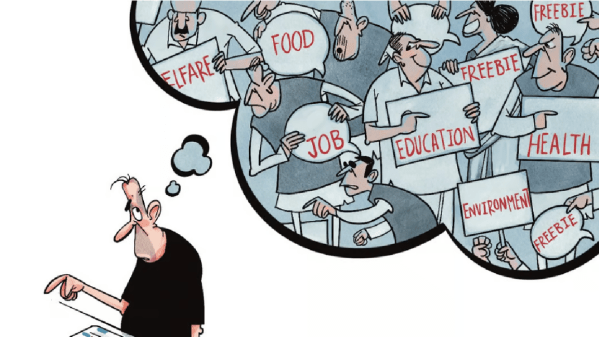
Freebies In Electoral Democracies: A Necessary Change Withheld by Major Challenges?

For a while now, an eternal debate has existed on the issue of freebies and welfarism. Their nature is so close that it becomes impossible to differentiate between the two and draw a clear line of demarcation. While welfare policies are deemed to be irreplaceable and for the goodwill of society, freebies are understood to be vicious and a method of manipulation used to win political support at the expense of fiscal prudence. Freebies or welfare policies as may be referred to by both sides of the argument undoubtedly have political, economic and social implications. The question that then arises is whether their benefits exerted on society are sufficient to overcome the looming dangers that hide behind the veil of welfare. As this discussion reaches the Supreme Court, this blog highlights a few challenges that lie ahead.

Diverse Realities, Single Ballot: Examining the Limitations of One Nation One Election

The main idea behind ‘One Nation, One Election’ (ONOE) is to hold elections for both the Lok Sabha and state assemblies together every five years. Reports present that states often have 5 to 7 elections separately throughout the year, leading to disruptions in the development and governance processes. The group supporting this principle states that frequent elections create a disturbed legislative schedule which further affects the smooth functioning of parliamentary proceedings. However, the authors advocateagainst the idea of ONOE. The ONOE reform could result in an intensified and overwhelming campaign season, overshadowing critical regional issues amidst the far-reaching national concerns. The potential sidelining of regional voices and local concerns in comparison with the mainstream national discourse will adversely impact voter engagement and representation.

Up ↑