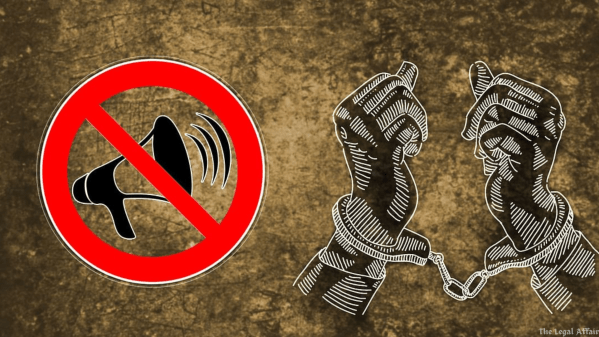
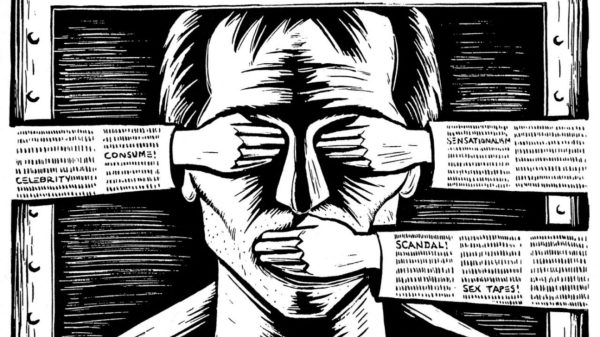
This blog piece examines the implications of Section 152 of the Bharatiya Nyaya Sanhita, India's new sedition law, which replaces "Government established by law; with the amorphous concept of 'India'. It critiques the potential for increased censorship and arbitrary interpretation, posing threats to free speech and democratic dissent.
Threats to Fundamental Rights in the Digital Era: Analysing Rule 4(2) of IT Rules 2021
This blog ais to analyse Rule 4(2) of the IT Rules, 2021 which mandates identification of the first originator of information. Wherein, It threatens user’s privacy, free speech, and intermediary’s immunity by breaking end-to end encryption, promotes chilling effects, creates arbitrary state actions and violates international principles. Thus, the need of reforms is necessary to balance regulation with fundamental rights in the digital age.
Growth in Technology and Misinformation: A Rising Concern to Electoral Integrity in India
This article analyses the proliferation of misinformation in light of growth in technology and its implications on the erosion of the democratic process. It highlights the constitutional aspects involved and the vacuum in the current regulatory framework. The article proposes reforms to counter the challenges posed by the digital era.
The Scrimmage of a Free Democracy: Is it time to bring the Sedition Law in line with the Republican Era?
The author in this piece has discussed the relativity of free speech in light of a free democracy by highlighting the challenges of sedition law in conjunction to the republican era. The author also explores the topic's intersectionality by highlighting facets of democratic function and comments of aspects of legal procedure and function.