The Places of Worship Act, 1991: An Enquiry into Constitutionality

The Places of Worship Act was intended to cease communal conflicts over history but it has failed to prevent conflicts such as the Gyanvapi Row. A part of this failure is attributable to the legislature’s omission to succinctly identify the existence of complex religious structures and conflicting historical experiences. This article examines the constitutionality of the Act’s provisions against the backdrop of history and provides an analysis of the ambiguity in the Act that needs rectification to ensure the true realization of justice.

Federating Rights: Democracy, Federalism and Governance

The article is premised on the recent GNCTD Act and its impact on federalism. It takes a detour from the popular discourse and explores federalism through the lens of fundamental rights. It argues that the right to vote and self-governance can be considered fundamental rights under Article 19(1)(a) of the Indian Constitution.

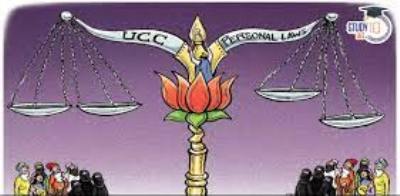
Wasiyat in Islamic Law: An Indian Quandary with no Constitutional Remedy

The author, in this piece, argues that the limitation imposed by Islamic law upon the absolute right over property of an individual has no constitutional remedy in India. The apparent alternatives to such rights are also highly restrictive. These arguments ramify into the need to have a fundamental right to choose which law shall apply to an individual in cases of devolvement of property.

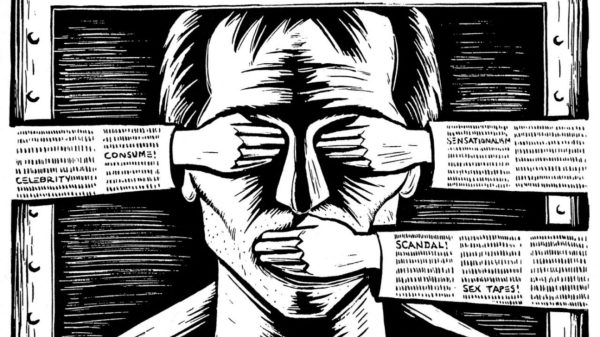
Blasphemy: A Retrograde in Today’s World

The author asserts that the law of Blasphemy is essentially a bad law and has no place in today's world in light of legitimization of mob violence, infringement upon freedom of free speech and expression and the discourse about protecting religion. It is concluded that blasphemy laws need a serious relook in the modern era.

Up ↑