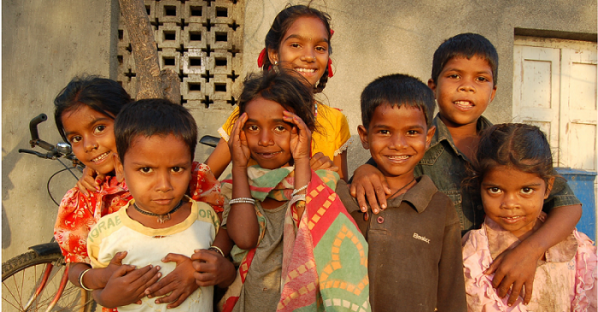
The article explores how children in India are often subjected to religious coercion—both at home and in educational settings—under the guise of cultural or parental authority. Through constitutional provisions, case law, and international conventions like the UNCRC, the piece argues for a more robust legal and policy framework to uphold children's rights to autonomy, dignity, and cognitive development. It delves into issues such as Bal Diksha, the quality of education in religious institutions like madrasas and gurukuls, and the urgent need for the State to fulfil its parens patriae role. The piece also makes forward-looking recommendations to ensure that religious freedom does not come at the cost of children’s welfare.
Balancing between Tolerance and Reform: A Comparative Analysis of Freedom of Religion in India and the USA
This article attempts to understand the differences between the concept of religious freedom in India and the United States. It seeks to locate these differences in the context of the nature of religion in the two countries and its relationship with society. Moreover, it highlights the changing social realities which necessitate a review of the secularism in these countries.
Turning Gavels into Papal Ferula: Unravelling the essential religious practices doctrine
The article examines the Essential Religious Practices Doctrine in India, tracing its evolution, implications, and critiques. It explores how the doctrine, first derived with the intention to protect religious practices with secular and economic connotations, has evolved into an anathema for religious freedom, empowering the Court to decide people’s faith for them. Analysing its impact, the article suggests alternative approaches, emphasizing individual rights and deference to religious groups. It argues for reconsideration of the ERP doctrine due to its potential to undermine religious freedoms and the judiciary's authority, emphasizing the need for the same.
Blasphemy: A Retrograde in Today’s World
The author asserts that the law of Blasphemy is essentially a bad law and has no place in today's world in light of legitimization of mob violence, infringement upon freedom of free speech and expression and the discourse about protecting religion. It is concluded that blasphemy laws need a serious relook in the modern era.