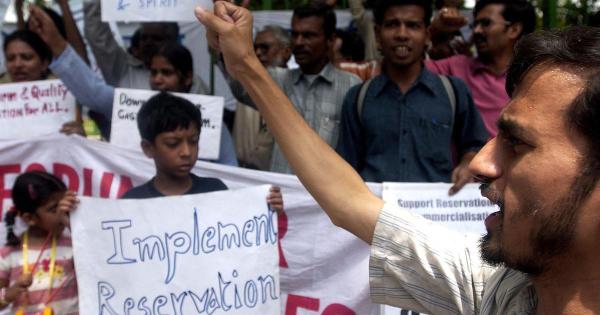
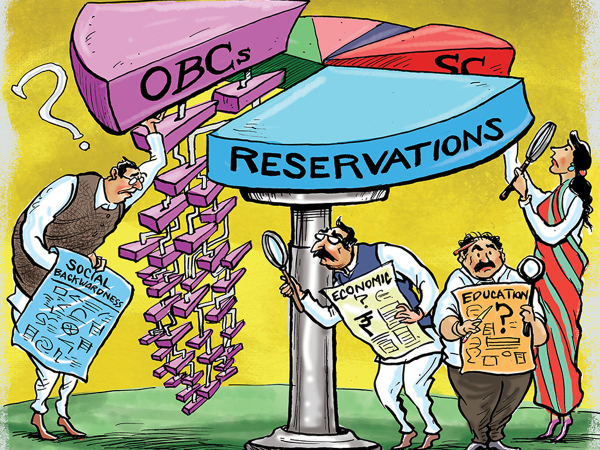
Last month, the Supreme Court asked the Centre to submit an affidavit along with Action Taken Report detailing steps taken to implement its August 1, 2024 judgment permitting sub-classification with SCs for reservation purposes and extending creamy layer principle to SCs. This marks a tremendous shift in India’s reservation jurisprudence from two-decade old E.V. Chinnaiah v. State of Andhra Pradesh. While Chinnaiah had held that SCs cannot be sub-divided and constitute a legal monolith, in Davinder Singh, the court empowered the states to do so. The court’s rationale says that sub-classification constitutes “tinkering with benefits” rather than “tinkering with the list”. The author proposes that the real solution of the problem is rooted in “special care” obligations under DPSPs arguing for targeted developmental actions instead of sub-classification of a unified political identity.
Stigma, Status and the State: Why Sub-Classification Fails The Test of Substantive Equality